

Why do I need a CB Radio
For cheap, reliable communications in the great outdoors; you need the best CB radio! Whether you’re a hiker, caravanner, four wheel driver, or even a kayaker, follow our three step buyer’s guide to learn about different types of cb radio; and how to choose the right one for you.
What is a cb radio?
Before we explore what is the best cb radio to get, let’s talk about what a CB radio actually is. CB stands for citizens band, a band of radio signals allocated for public communications. Anybody can own and operate a CB radio without a license.
CB radios operate on the UHF radio band, which stands for ‘ultra-high frequency’. Therefore, you’ll mostly hear CB radios being called ‘UHF radios’.
Unlike a mobile phone you can use a CB radio anywhere, no need for mobile phone reception. There are no ongoing fees to use your CB radio either.
What is the range of a CB radio
Range varies depending on your radio, antenna, terrain, and weather conditions. Handheld CB radios have the shortest range anywhere from 2 to 15 kilometres. An in-car CB radio might have a range of up to 50ks or more via local area repeater if available.
How to use a CB Radio
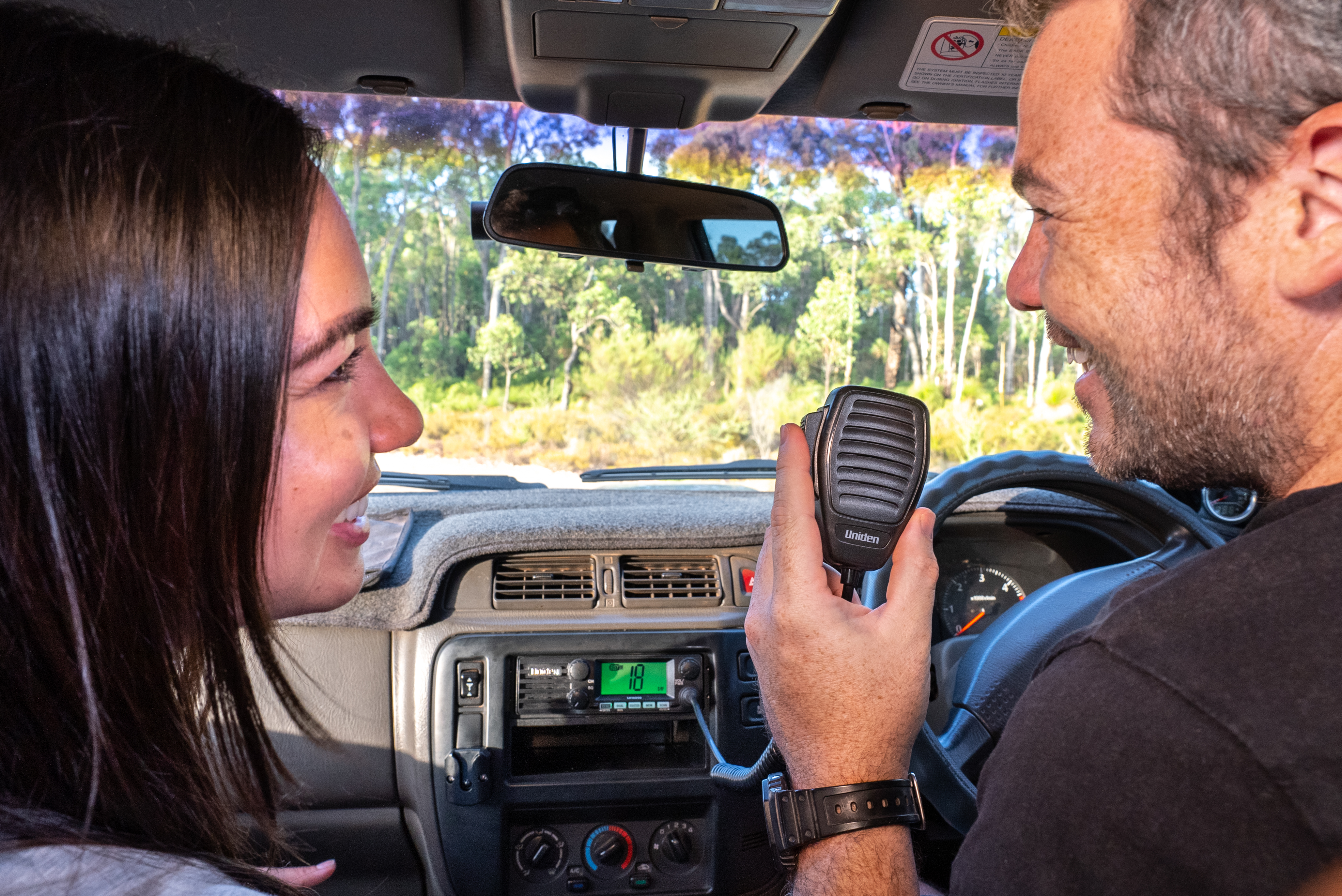
Set your radio to the same channel as the person you’d like to talk to. Hold the handpiece a couple of centimetres from your mouth, then press the PTT (push to talk) button and say your piece.
Unlike a mobile phone, you cannot transmit and receive at the same time, so don’t forget to release the button when you’re done.
How To Choose A CB Radio
Step 1: Choosing the best CB Radio
What is the best CB radio to get? Here are the most common types of CB radio you can choose from:
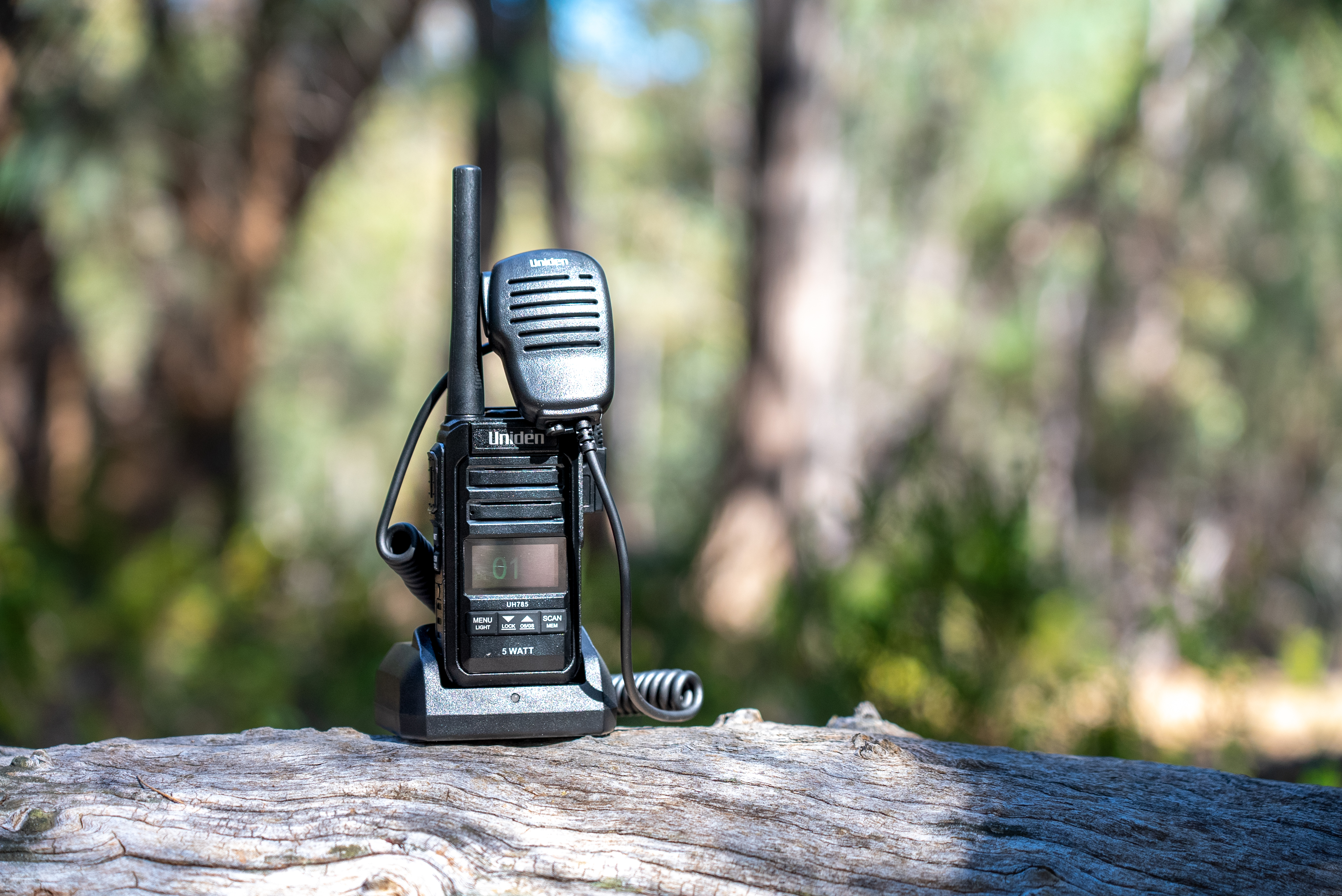
The handheld CB radio
The best handheld CB radio will be ideal for hiking, kayaking, biking or casual use in the car. Most handheld CB radios have rechargeable batteries, some are even waterproof.
A handheld requires no installation or external antenna. However, they won’t achieve the same long range as a vehicle mounted CB radio, especially when used in your car.
In-car CB radio
In-car CB radios are a unit with a separate handset attached. They must be wired into your car for power, and you’ll need to purchase an antenna separately to be fitted outside of your car. They come in two main formats:
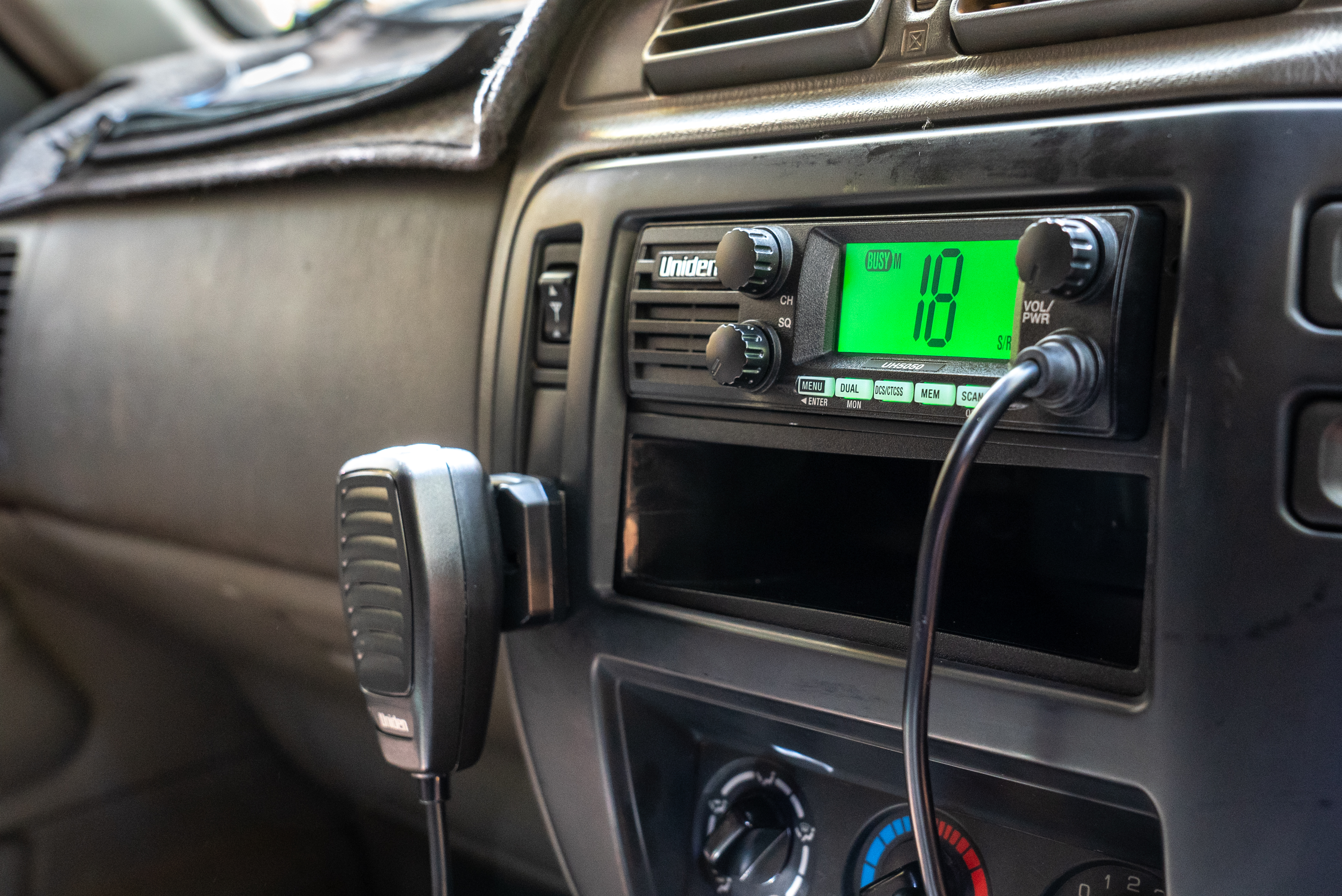
The DIN CB radio
The DIN size radio is designed to fit easily into the dash of many vehicles. They are easy to use with full size buttons and knobs, and a nice loud front facing speaker.
Before you rush out and grab one though; make sure your dash has a single DIN space available for fitment.
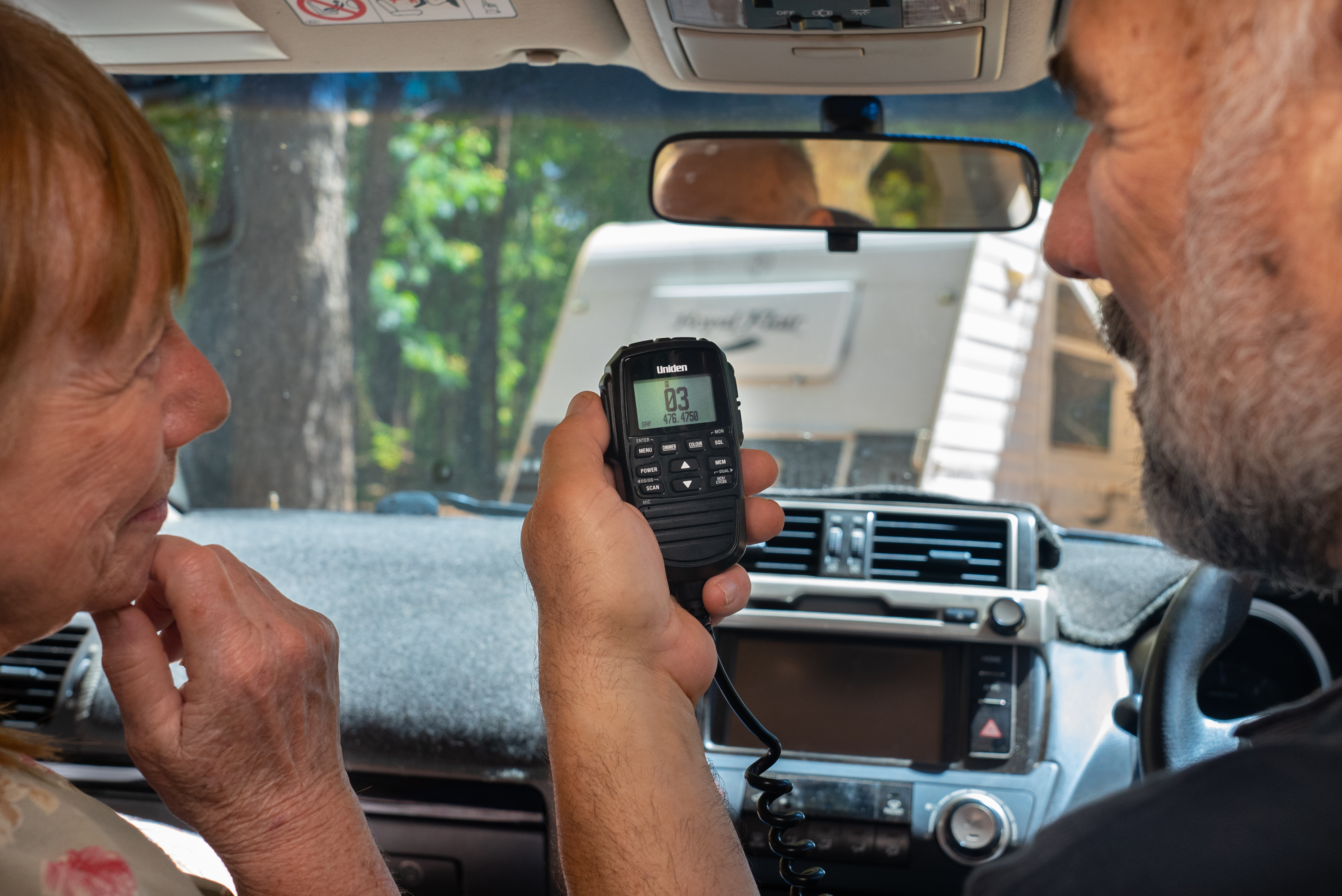
The compact CB radio
A compact CB radio has all the features of a DIN CB radio packed into a tiny frame. The controls may be on the face of the unit, with some on the handpiece, although quite often you’ll find that all the controls and even the loudspeaker are fitted into the handpiece.
If you have no space to fit a DIN CB radio into your dash; this is the best CB radio for you.
Step 2: Choose the best CB radio features
With a SUPER range of CB radios available at Supercheap Auto, there are loads of features to choose from. Deciding which of the following features are important to you will help make it easier to choose the best CB radio.
Transmit power: The maximum legal transmit power is 5 watts. Most in car CB radios will achieve this, but only the best handheld CB radio will achieve the full 5 watts.
Squelch: Squelch cuts out white noise and weak signals.
Open Scan: All radios feature an open scan – which automatically flicks through channels. The scan will stop once a transmission is picked up.
Group Scan: This works the same as open scan, but the radio will scan only channels set by the user.
CTCSS and DCS: Setting two or more radios to the same CTCSS or DCS code will act like a sub channel, you will only hear transmissions from other radios set to the same code. However, ANYONE on the same channel can still hear your conversation.
Duplex Mode: Means the radio is able to use repeater stations all around the country to boost transmit and receive range.
Wideband Scanner: Also sometimes called receive only channels. Some CB radios will allow you to scan or listen to transmissions outside the 80 channel limit.
Busy channel lockout: This stops your unit being able to transmit while somebody else is broadcasting – and is useful when CTCSS is enabled.
Dual Receive: Allows you to monitor two different channels at once.</li>
VOX: Voice operated transmission. Rather than pushing the transmit button before talking, the radio detects your voice and automatically opens the transmission.
Step 3: Choose your antenna
Handheld CB radio users can skip this step, you’re ready to go! If you’re choosing a vehicle mounted CB radio, now it’s time to pick the antenna. This can make or break your communications system.
First of all, where to mount a CB radio antenna?
The higher you can mount your antenna, the better your range will be. If your vehicle has a bullbar that doesn’t already have a mounting point you can purchase an antenna mount to bolt straight on. There’s also the option of guard mounting your antenna.
Now choose the correct gain antenna
Gain describes the pattern of the radio waves and is measured in decibels. A low gain up to 3 decibels will perform best in very hilly or heavily forested terrain, and around town – but won’t achieve amazing transmission distance.
A 5 or 6 decibel antenna may be classed as medium gain. This achieves reasonable distance while still performing okay in hilly, forested, or built up areas.
For excellent distance across flat terrain – a high gain antenna between 9 and 12 decibels is ideal. The trade-off is that terrain, buildings and thick forest will easily break up your signal.
Conclusion
The right CB radio will make highway travel safer, and outdoor adventures much more fun! Pop into Supercheap Auto to check out the range, or explore your choices for CB radios on our website today.
*Important information* - Click here to read more about our DIY Advice Terms and Conditions.